
Solo wellness retreats: what to know about going alone
By Leo Osei · Updated 2026-07-30
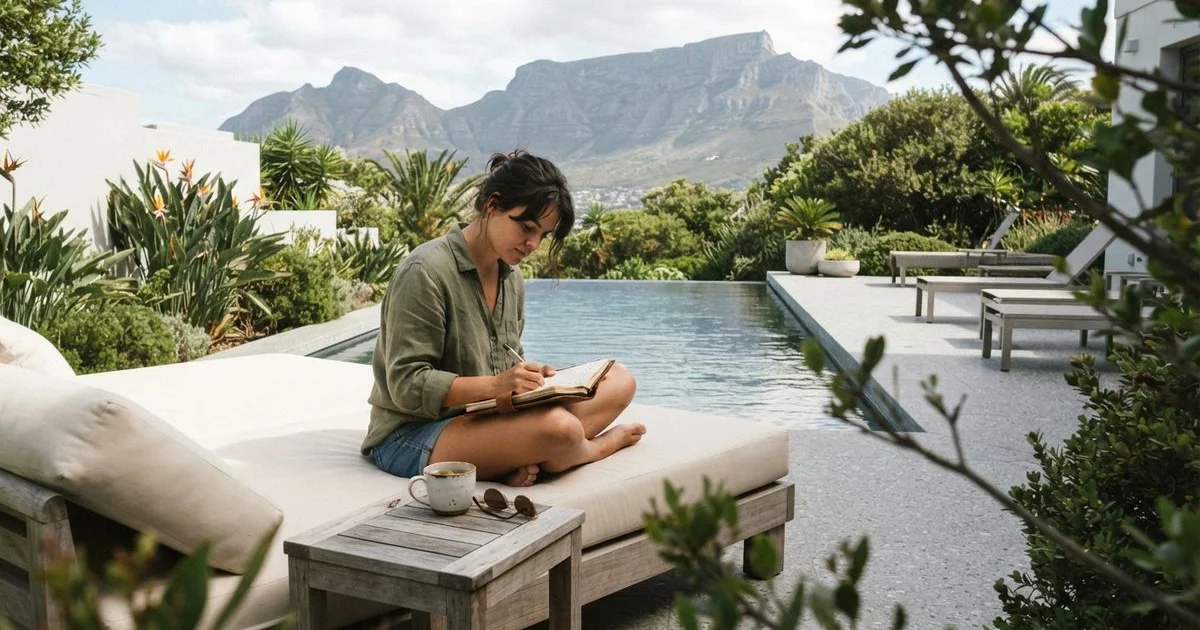
Going on a spa and wellness retreat alone is more common than people realize, and most retreats are set up to accommodate solo guests comfortably. Here are things to know when you book solo.
The practical difference: pricing
One main issue for solo travelers can be pricing. Some retreats, especially all-inclusive resorts, price rooms per unit rather than per person, which can mean a single-supplement charge if you book a room designed for two. Others offer single-occupancy rooms priced for one guest. When booking, ask whether a single-room rate is available.
What the social side actually looks like
Most retreats do not require solo guests to participate in group activities. Meals are sometimes served communally, which can be a good way to meet other guests if you want that, but it is rarely mandatory. Treatments and most scheduled sessions are often one-on-one or small-group, regardless of whether you arrived solo or with others, so the retreat experience itself does not feel noticeably different by group size. For a complete walkthrough of how a typical stay unfolds, from check-in to treatments, see our guide on what to expect on a spa and wellness retreat day.
| What solo guests often ask about | What’s typically true |
|---|---|
| Will I be seated alone at meals? | Usually optional, communal seating if you want company |
| Do I need to join group activities? | Almost always optional |
| Will pricing be higher per person? | Sometimes, check for a specific single-room rate |
| Will staff treat me differently? | No, treatments and sessions are usually one-on-one regardless |
Making the most of your solo time
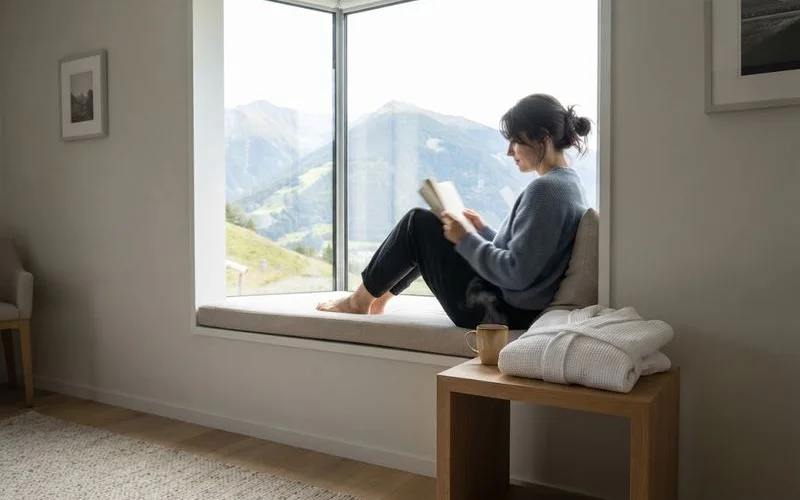
A retreat is one of the more comfortable settings for traveling alone, since the entire environment is built around personal restoration rather than group activities or nightlife. Guests who go solo report that it’s easier to switch off without needing to coordinate a schedule with a travel companion. If quiet time alone feels unfamiliar at first, treat the early discomfort as part of the process and not a sign that something is wrong.
Choosing the right retreat as a solo traveler
Smaller retreats with a more personal, attentive staffing style tend to suit solo guests well, since staff are more likely to know your name and preferences during your stay. Larger resorts can still work well, but ask specifically about single-occupancy pricing and whether meals are structured communally or flexibly before you book.
A few practical extras
Confirm arrival and transfer arrangements ahead of time, since coordinating transport alone is one more detail you have to plan for. Consider bringing a book, a journal, or something to pass the time in quiet moments between scheduled activities, especially if you are not used to extended unstructured time alone.
Managing the quiet moments
The parts of a solo retreat that catch people off guard are rarely the treatments or meals; they are the unscheduled gaps in between. If you are used to filling downtime with conversation or company, an afternoon alone by the pool can feel unfamiliar at first. Some solo guests will notice this passing within the first day, once the initial adjustment wears off and the quiet starts to feel restful instead of empty. If it helps, plan one or two low-effort activities like a walk, reading, or simply sitting outside.
What to say when booking
When you contact a retreat to book a solo stay, clearly mention that you are traveling alone and ask about single-room pricing, meal seating arrangements, and whether activities are group-only. Retreats that handle solo bookings regularly will have clear answers ready. If a retreat seems unsure how to accommodate a solo guest or hesitates on these questions, it may be a sign they see fewer solo travelers, which should be factored into your decision, even if the property looks appealing.
Safety considerations to check
Established, well-reviewed retreats have straightforward, well-supervised arrival and departure processes, but it is still reasonable to confirm a few basics before you travel: whether staff are on-site overnight, how airport or town transfers are arranged, and whether the property is in a well-populated or more remote setting. None of this should discourage solo travel to a reputable retreat, but confirming this before you go will settle any lingering nerves.
Browse current spa and wellness retreat listings on the homepage, and see our ranking methodology for how guest experience factors into rankings here.
Common questions
- Will I pay more for a solo wellness retreat booking?
- Sometimes. Some retreats apply a single-supplement charge if you book a room designed for two, particularly at all-inclusive resorts. Booking a room specifically priced for one guest, where available, usually avoids this.
- Is it common to attend a wellness retreat alone?
- Yes, solo attendance is common across this category. Retreats are generally structured around individual guests, with group activities being optional rather than assumed.
- Will I be expected to socialise with other guests?
- Not usually, beyond shared meals or optional group sessions. Most retreats do not require solo guests to participate in group activities if quiet, individual time is what you're after.
- Is it safe to travel to a retreat alone?
- Reputable, established retreats generally have straightforward arrival processes and staff on-site throughout your stay. If travelling alone is a concern, ask the retreat about transfer options and whether staff are on-site around the clock.