
What to expect on a spa and wellness retreat day, from check-in to treatments
By Leo Osei · Updated 2026-06-22
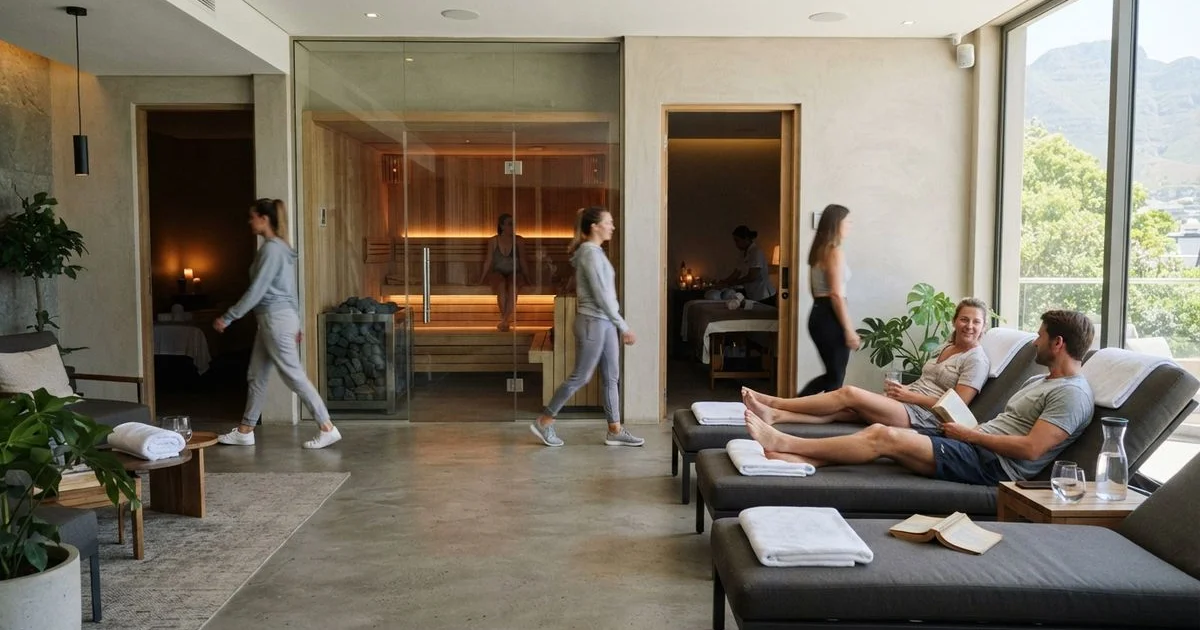
A spa and wellness retreat day has a looser rhythm to it than a fixed script; however, some people can fall into a pattern of settling in, eating, moving through a treatment or two, and leaving long stretches of the day open. If you are booking one of Cape Town’s spa and wellness retreats for the first time, here is what the day-to-day actually tends to look like.
Check-in and orientation
Expect a brief welcome process upon arrival: a form to cover any health conditions or allergies, a walkthrough of the facilities, and a chance to book or confirm treatments for your stay. This is the moment to mention any medical conditions, mobility needs, or product sensitivities, since therapists use this information to adjust treatments. It also tends to be the best window to lock in popular treatment slots before they fill up.
A typical day, loosely structured
No two retreats operate an identical schedule, but the structure below is a reasonable approximation of a standard spa and wellness day.
| Time | What usually happens |
|---|---|
| Early morning | Optional yoga, walk, or quiet time before breakfast |
| Breakfast | Served buffet-style or set menu, often with a health-conscious focus |
| Mid-morning | First booked treatment (massage, facial, body treatment) |
| Midday | Free time: pool, sauna, steam room, or rest |
| Lunch | Lighter meal, often plant-forward |
| Afternoon | Second treatment slot, or unstructured relaxation time |
| Evening | Dinner, followed by free time or an optional low-key activity |
Between the fixed points (meals, booked treatments), most of the day is yours to fill or leave open. If you want a fuller schedule, ask the retreat about optional extras, such as guided walks or group classes, when you book.
What treatments typically involve
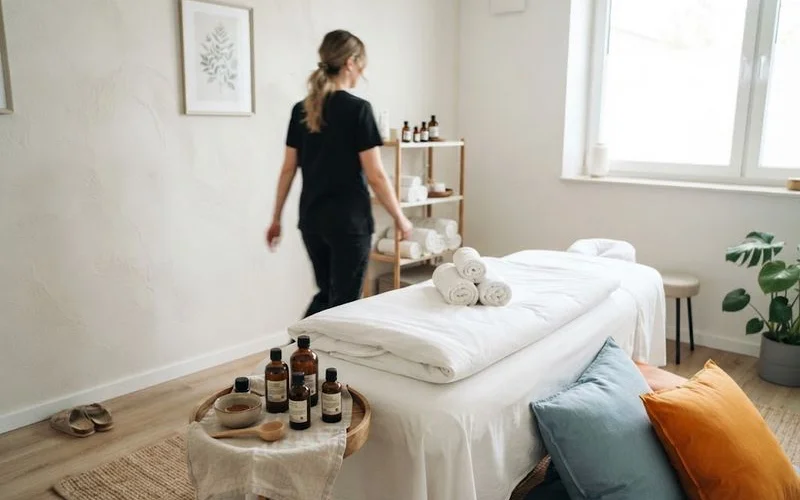
A standard treatment session runs anywhere from 45 minutes to just under two hours and includes a short consultation beforehand, during which the therapist asks about pressure preference, problem areas, and any conditions to work around. Expect a private or semi-private room, a change of gown or robe, and a few minutes of quiet settling-in before the treatment starts. Professional therapists check in on pressure early in the session rather than wait until the end, so feel free to speak up if something does not feel right.
What to pack and prepare
Bring loose, comfortable clothing for movement-based sessions, swimwear if the retreat has a pool or hydrotherapy facilities, and any medication you take regularly. Most retreats supply robes, slippers, and basic toiletries, but it is worth confirming this when you book. If you have specific dietary needs, mention them at the time of booking, as kitchens may plan meals in advance.
Making the most of the unstructured time
The open blocks in the schedule above are not downtime to fill anxiously; they are the point of the stay. Guests who get the most out of a spa retreat tend to treat the free hours as part of the program and not as dead time between treatments, using them to rest instead of checking email or planning the next booking. If you are planning to go without company, our guide to solo wellness retreats explores how the social side of a stay differs.
Meals and dietary needs
Most spa and wellness retreats build meals around a lighter, health-conscious style, though specifics vary by resort. Some run a fixed set menu; others offer a buffet with more choice. If you have allergies, intolerances, or a specific dietary preference, mention them when you book so they can factor them in, as kitchens tend to plan a few days ahead.
Checking out and what to expect afterward
Checkout at most spa retreats is straightforward: settle any extras not covered by your rate, such as add-on treatments booked during your stay, and confirm transfer arrangements if you haven’t already. Some retreats send a short summary of the treatments you had or product recommendations afterward, though this varies by property and is not something to expect everywhere. If you enjoyed a specific therapist or treatment, you can ask whether you can request them again on a future visit, since some retreats will note preferences for repeat guests.
When a spa retreat is not the right fit
A spa and wellness retreat is built around relaxation and light structure instead of intensive fitness, medical supervision, or a fixed program. If you are looking for something more structured, a stricter daily schedule, dedicated fitness training, or clinical oversight, a different category within this niche is likely to serve you better than a standard spa stay.
Before you book, compare listings and recent guest feedback on the homepage, and see how retreats are scored on our ranking methodology page so you know what “attentive staff” or “skilled therapists” actually reflects in the rankings.
Common questions
- How far in advance should I book treatments once I arrive?
- Book your main treatments as soon as you check in, or ideally before you arrive if the retreat allows online booking. Popular slots (morning massages, sunset facials) fill first, especially on weekends.
- Do I need to bring my own robe and slippers?
- Most spa and wellness retreats provide these as part of the stay. It is still worth checking when you book, since a small number of budget-friendly properties treat them as an add-on.
- How much free time is built into a typical day?
- This varies by retreat, but most spa-style stays leave large blocks of unstructured time, often four to six hours a day, between meals and any booked treatments. It is closer to a relaxed hotel stay than a packed programme.
- What should I do if a treatment feels rushed or unsatisfactory?
- Say something at the time rather than waiting until checkout. Most retreats will adjust or offer a follow-up session if you raise it while you are still on-site.